
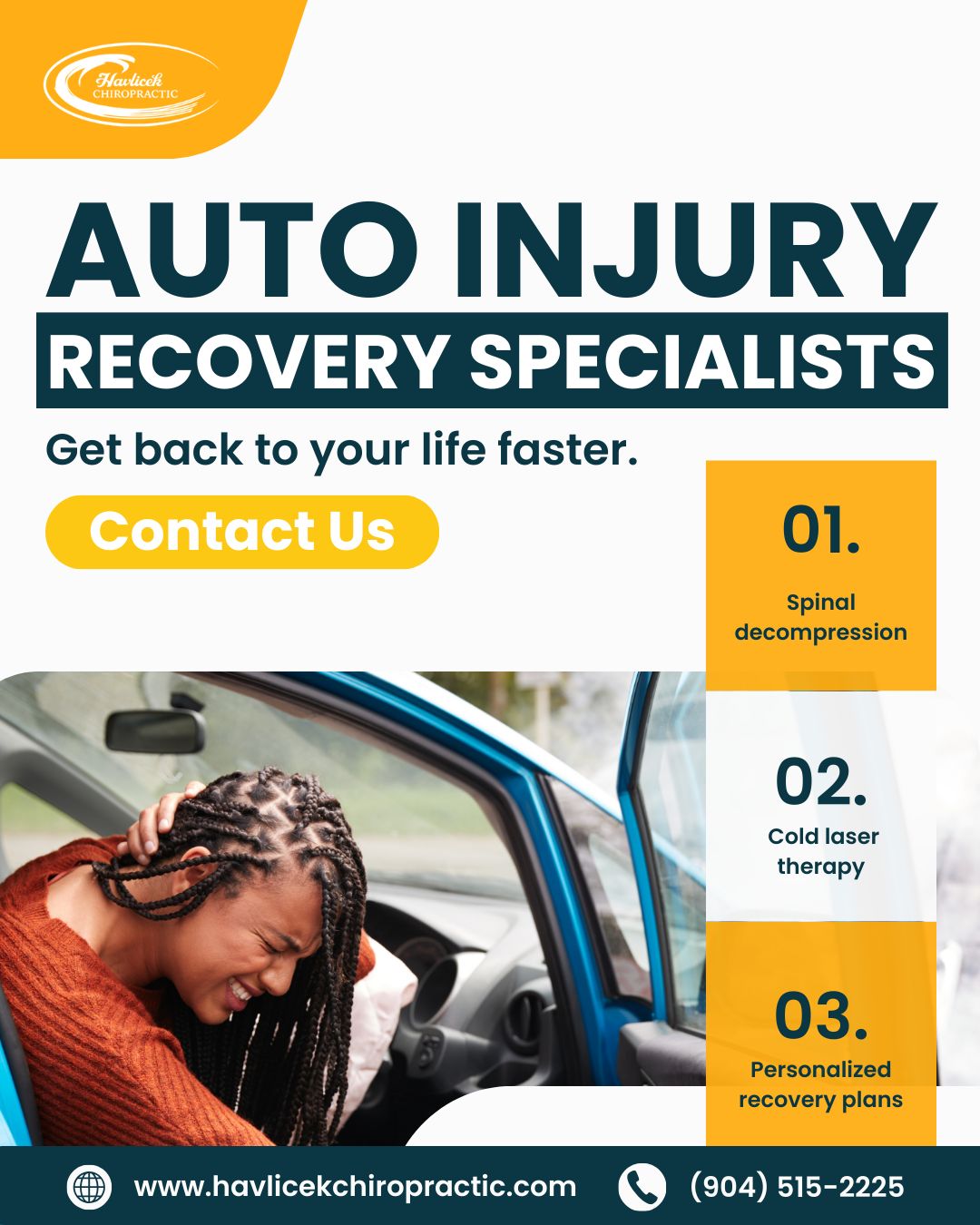
The Hidden Risk After a Car Accident
After a car accident, it’s common to feel “fine” at first.
But here’s the reality:
Not all injuries show up immediately.
Delaying treatment, even by a few days, can lead to worsening pain, longer recovery times, and even denied insurance claims.
If you’re in St. Augustine, FL, understanding the risks of waiting can help you protect both your health and your rights.
Why Symptoms Don’t Always Appear Immediately
Car accidents trigger adrenaline and shock, which can temporarily mask pain.
Common delayed symptoms:
Related article: Delayed Pain After a Car Accident: Why Symptoms Can Show Up Days Later
What Happens If You Delay Treatment?
1. Injuries Can Get Worse Over Time
What starts as minor discomfort can develop into:
- Chronic pain
- Reduced mobility
- Long-term spinal issues
Soft tissue injuries, in particular, worsen without proper care.
2. Longer and More Expensive Recovery
The longer you wait:
- The harder it is to treat the injury
- The more sessions you may need
- The higher your overall recovery cost
Early treatment = faster healing + fewer complications
3. Increased Risk of Permanent Damage
Untreated injuries can lead to:
- Scar tissue buildup
- Misalignment of the spine
- Nerve compression
These can result in lasting pain and reduced quality of life.
4. Insurance Claims Can Be Denied
This is one of the biggest risks.
In Florida:
- You must seek care within 14 days to qualify for PIP insurance
If you delay:
- Your claim may be denied
- You may have to pay out-of-pocket
Related article: Will Insurance Cover Chiropractic Care After a Car Accident in Florida?
5. Weak Medical Documentation
Waiting creates gaps in your medical records.
Insurance companies may argue:
- Your injuries weren’t caused by the accident
- Your condition isn’t serious
Learn more from this article: Car Accident Injury Claims: Why Medical Documentation Matters
Why Early Chiropractic Care Matters
Seeing a chiropractor early helps:
✔️ Detect hidden injuries
✔️ Reduce inflammation
✔️ Restore spinal alignment
✔️ Prevent long-term complications
✔️ Strengthen your insurance claim
Also read article: Do You Need a Chiropractor After a Car Accident? (Even If You Feel Fine)
What to Do Immediately After a Car Accident
Step-by-step:
- Get checked—even if you feel fine
- Document all symptoms
- Start treatment as soon as possible
- Follow your care plan consistently
Local Care in St. Augustine, FL
If you’ve been in a car accident in St. Augustine, St. Augustine Beach, or Palm Coast, early care is critical.
At Havlicek Chiropractic, we specialize in:
- Car accident injury treatment
- Early detection of hidden injuries
- Insurance-compliant documentation
- Personalized recovery plans
Don’t wait for pain to get worse—or risk losing your insurance coverage.
Early treatment can make the difference between quick recovery and long-term problems.
📞 Call Havlicek Chiropractic today at (904) 515-2225
📍 Serving St. Augustine, FL and surrounding areas
FAQs
What happens if I don’t treat car accident injuries right away?
Delaying treatment after a car accident can cause injuries to worsen, lead to chronic pain, and increase recovery time. It may also negatively impact your ability to file a successful insurance claim.
Can car accident injuries appear days later?
Yes, many injuries such as whiplash, soft tissue damage, and back pain can have delayed symptoms that appear hours or even days after the accident due to adrenaline and inflammation.
How long do I have to seek treatment after a car accident in Florida?
In Florida, you typically have 14 days after a car accident to seek medical treatment in order to qualify for Personal Injury Protection (PIP) insurance benefits.
Can delaying treatment affect my insurance claim?
Yes, delaying treatment can create gaps in medical documentation, which insurance companies may use to argue that your injuries are not related to the accident or are not serious.
Why is early chiropractic care important after a car accident?
Early chiropractic care helps identify hidden injuries, reduce inflammation, restore spinal alignment, and prevent long-term complications while also providing proper documentation for insurance claims.